Water damage can feel overwhelming, but preparing your home before professionals arrive can make the restoration process smoother and more effective. By taking the right steps, you can protect your belongings, reduce further damage, and help ensure a faster recovery.
Here are a few important ways to get your home ready for water damage restoration.
Ensure Safety First
Before anything else, make sure your home is safe to enter. Shut off the electricity in affected areas to avoid electrical hazards, and if the water damage comes from a contaminated source, like sewage, keep your distance. Wear protective gloves, boots, and masks if you must go inside. By prioritizing safety, you protect yourself and your family from potential health risks.
Stop the Source of Water
If water is still entering your home, stop the flow immediately. Turn off the main water supply or shut off the specific source, such as a leaking appliance. Acting quickly not only reduces further damage but also makes the restoration team’s job more efficient. The faster you stop the source, the easier it will be to begin cleanup and repair.
Document the Damage
Take clear photos and videos of all affected areas before you move or clean anything. This documentation will serve as valuable evidence for insurance claims. Capture wide shots of each room as well as close-ups of damaged furniture, walls, or flooring. By keeping a detailed record, you give your insurance company the information it needs to process your claim smoothly.
Protect Valuables and Belongings
Move undamaged items away from the affected area to prevent additional harm. Place valuable belongings such as documents, electronics, and sentimental items in a safe, dry location. For items too heavy to move, cover them with plastic sheets or tarps for temporary protection. By safeguarding your possessions, you minimize the overall impact of water damage.
Improve Ventilation and Airflow
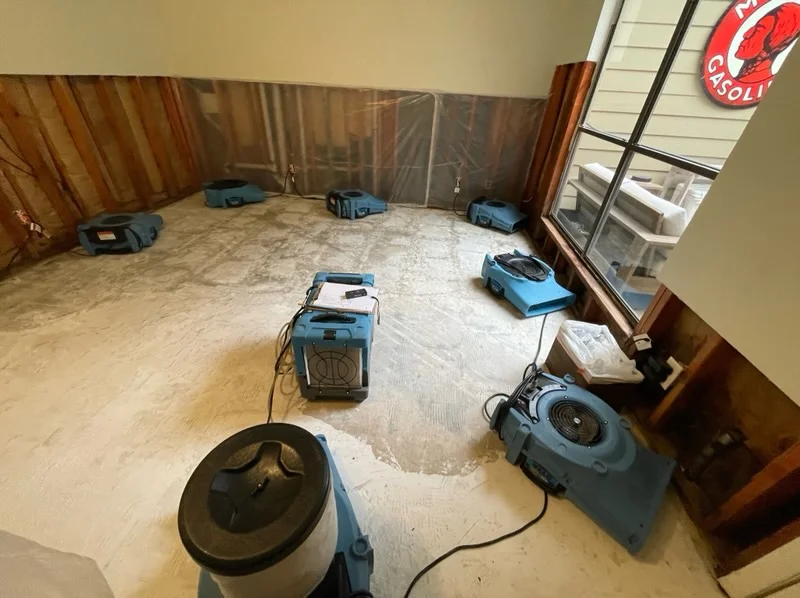
If conditions are safe, open windows and doors to promote airflow. Use fans and dehumidifiers to help reduce moisture levels. Proper ventilation helps slow the growth of mold and mildew, which can develop within 24-48 hours after water exposure. By creating a drier environment, you make the restoration process more effective and prevent secondary damage.
Clear Pathways for the Restoration Team
Restoration crews need clear access to affected areas. Remove clutter, rugs, or furniture that could block entryways or hallways. This not only helps the team work efficiently but also reduces the risk of accidents while carrying equipment in and out of your home. Preparing your home in this way ensures the restoration process can begin without unnecessary delays.
Separate Damaged and Undamaged Items
When safe to do so, separate items that are salvageable from those beyond repair. Place wet, damaged items in one area and keep dry, unaffected belongings elsewhere. This step allows restoration specialists to focus on what can be cleaned and restored, while also making it easier to catalog losses for insurance purposes.
Communicate Special Concerns with the Restoration Team
Before the team begins work, let them know if there are specific areas of concern in your home, such as heirlooms, sensitive electronics, or hidden spaces that may hold water. Open communication ensures that nothing is overlooked and that your most valuable belongings receive the right attention during the restoration process.
Your first steps after water damage make a big difference in how quickly your home recovers. At Restore Aid Recovery, we understand the urgency of these situations and provide fast, professional restoration services to bring your home back to normal. Call us at 469-422-3947 today to schedule an inspection and let us help you restore your peace of mind.