
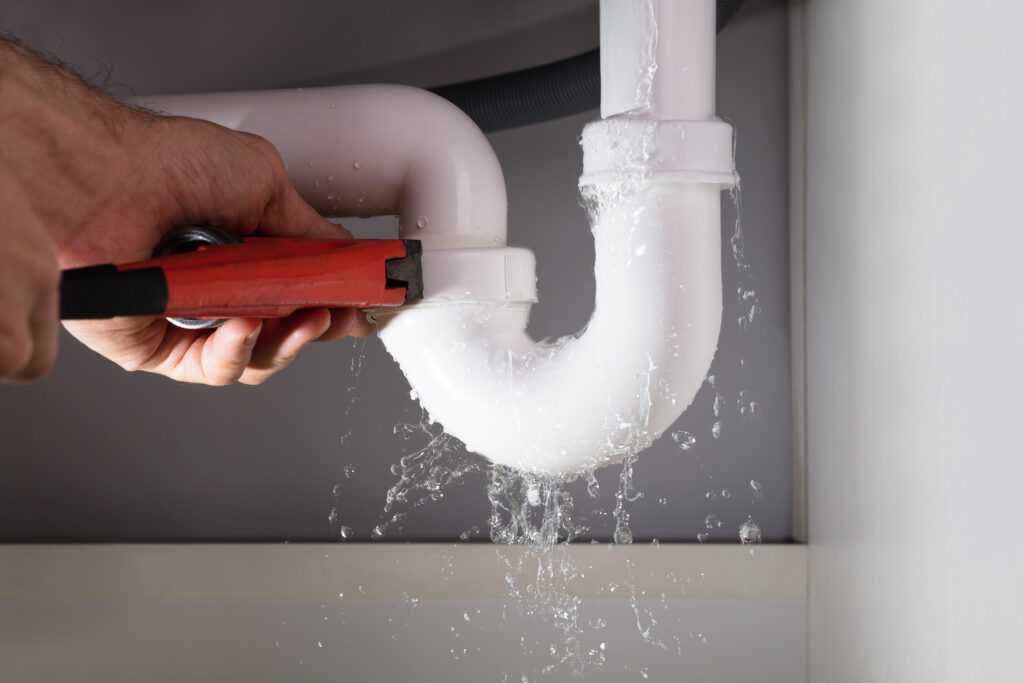
A burst pipe, flood, or ceiling leak can turn a normal day upside down in minutes. Once the water is gone, you’re left with the real challenge, putting your home (and calm) back together. Between drying, repairs, and insurance calls, it’s easy to feel unsure where to begin. That’s why it helps to have a clear path forward.
Here’s how to navigate your home reconstruction project after water damage step by step, with confidence and clarity.
1. Assess Before You Address
Before hammering or repainting anything, start with a complete damage assessment. Professionals inspect the extent of moisture intrusion, walls, flooring, insulation, and even hidden structural layers. This phase determines how deep the problem runs and what can be saved. Proper evaluation prevents future issues like mold or weakening foundations. If needed, your team may initiate Water Mitigation first, ensuring all risks are contained before reconstruction begins. It’s not just about what’s visible; it’s about rebuilding on solid, dry ground.
2. Drying That Makes Recovery Last
No matter how urgent reconstruction feels, Water Dryout and Dehumidification must come first. This process ensures no hidden moisture lingers behind walls or under flooring. Industrial-grade dryers and dehumidifiers run around the clock to eliminate dampness completely. Skipping or rushing this step is a common mistake; trapped moisture can undo weeks of work later. Think of drying as pressing “reset” on your home’s health before the rebuild begins.
3. Clearing the Mess the Right Way
Standing water, debris, and soaked materials can quickly become a hazard. That’s where Emergency Water Removal and Cleanup comes in. Using specialized pumps and vacuums, experts remove every last drop and safely dispose of damaged materials. In some cases, contamination adds an additional layer of complexity, especially if the incident involves a sewer line. Professional Sewage Backup Cleaning prevents bacterial growth and odor, making the environment safe before any restoration begins. The cleanup phase isn’t glamorous, but it’s the difference between a surface fix and a long-term recovery.
4. Reconstructing With Care and Craftsmanship
Once your space is dry and clean, the reconstruction phase can begin. This is where your home truly starts taking shape again. Skilled teams handle everything from framing and drywall repair to flooring, cabinetry, and paint. Water Damage Reconstruction doesn’t just restore, it can reimagine your home. Many homeowners take this opportunity to make functional upgrades or design improvements. With the right professionals guiding the process, reconstruction can feel less like repair work and more like renewal.
5. Insurance, Inspections, and Final Walkthroughs
Home restoration isn’t only about tools and materials; it’s about navigating logistics. Your restoration team should assist with documentation for insurance claims and coordinate any necessary permits or inspections to ensure a seamless process. A reputable company ensures that every phase meets both building codes and your expectations. The final walkthrough is your chance to inspect the craftsmanship, ask questions, and ensure your home feels whole again inside and out.
Rebuilding More Than Walls
Reconstruction after water damage isn’t just about repairs; it’s about restoring balance to your home and your routine. With the right expertise and care, your space can come back stronger, safer, and more comfortable than before. Every restoration should end with confidence and calm, not stress.
Restore Aid Recovery is your trusted expert for complete water restoration and reconstruction. Get in touch today for fast, 24/7 restoration that brings your home and peace of mind back to life.