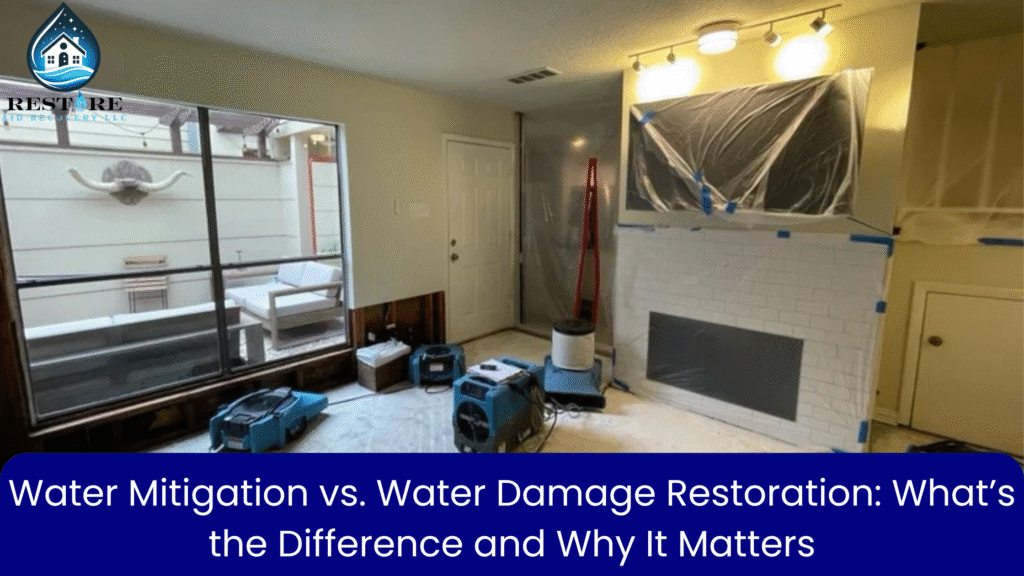
- Water mitigation is the immediate response to stop further damage—removing water, drying the area, and preventing mold—while water damage restoration focuses on repairing and rebuilding the affected property after it has been stabilized.
- Understanding the difference between the two helps homeowners act quickly, avoid costly mistakes, and navigate insurance claims more effectively.
- Restore Aid Recovery offers both services, ensuring fast response, thorough mitigation, and complete restoration under one trusted roof.
Water intrusion is one of the most common—and costly—issues homeowners face. Whether from a burst pipe, a roof leak, or flooding, excess water can cause significant structural damage, mold growth, and long-term property loss. When disaster strikes, two essential processes often come into play: water mitigation and water damage restoration.
While these terms are frequently used interchangeably, they refer to distinct stages of a property’s recovery. Understanding the differences between the two—and how they work together—is crucial for making the right decisions during an emergency and ensuring the protection of your property.
Let’s explore what water mitigation and water damage restoration actually involve, how they differ, and why knowing the distinction can save you both time and money.
What Is Water Mitigation?
Water mitigation is the critical first response to any incident involving unwanted water in a home or building. Its purpose is not to repair damage but rather to stop the situation from getting worse. Think of it as the emergency triage stage—designed to minimize loss and prevent further structural deterioration, health risks, and financial impact.
When a home is flooded due to a storm, pipe burst, or appliance failure, the first few hours are crucial. Water quickly seeps into porous materials like drywall, insulation, wood, and carpet. If left unaddressed, this moisture leads to swelling, rot, mold, and even foundational issues. That’s why water mitigation professionals respond rapidly to extract water, stabilize the environment, and dry the structure.
The Goals and Scope of Water Mitigation
Water mitigation focuses on prevention and control rather than repair. The main objectives include:
- Stopping the Source of Water: This could mean shutting off plumbing lines, patching roof leaks, or installing barriers to keep floodwater at bay.
- Assessing the Extent of the Damage: Using tools like infrared cameras and moisture meters, professionals identify both visible and hidden water intrusion.
- Removing Standing Water: Industrial-grade pumps and vacuums are used to extract water from floors, carpets, basements, and walls.
- Drying and Dehumidifying: After water removal, high-powered fans and commercial-grade dehumidifiers dry out the space. This is often monitored over several days.
- Cleaning and Disinfecting: Surfaces affected by gray or black water (from appliances or sewage) must be sanitized to remove bacteria and pathogens.
- Stabilizing the Structure: Temporary reinforcements may be added to protect weakened areas and prevent collapse or further deterioration.
Water mitigation is time-sensitive. The first 24 to 48 hours after a water event are when mold can begin to grow. The sooner mitigation begins, the better the chances of salvaging materials and reducing restoration costs.
Types of Water Involved in Mitigation
Water mitigation strategies can vary depending on the category of water involved:
- Category 1: Clean water from broken supply lines, sink overflows, or rainwater leaks. While not dangerous, it still requires prompt drying to prevent material damage.
- Category 2: Gray water, which includes used water from dishwashers, washing machines, or toilets without solid waste. This may contain bacteria and requires disinfection.
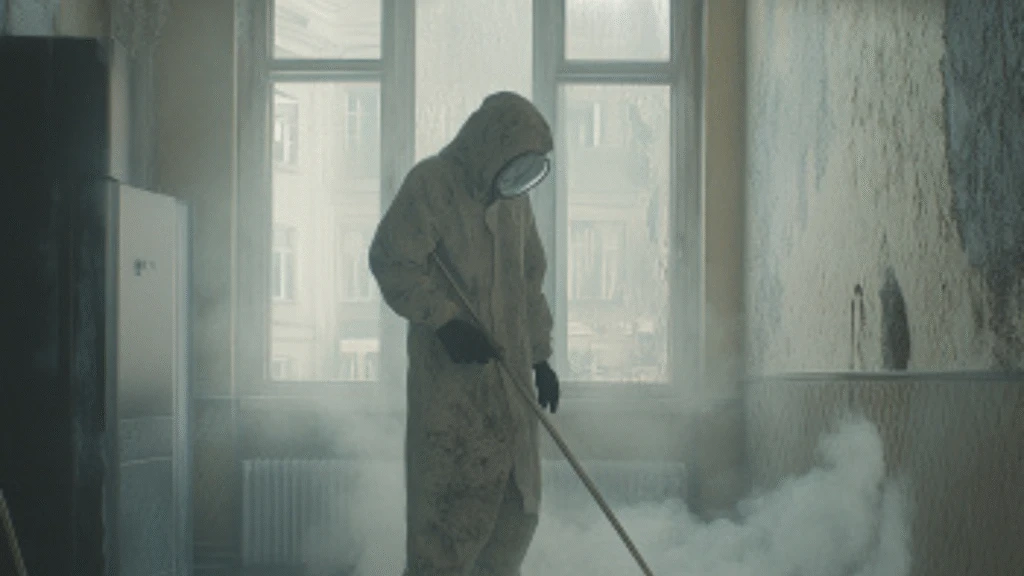
- Category 3: Black water, typically from sewage backups or floodwaters. It poses severe health risks and requires extensive sanitization and protective gear.
Each water type requires a different level of response, and trained mitigation teams understand how to handle them safely and effectively.
Equipment and Technology Used in Water Mitigation
Modern water mitigation professionals use a variety of specialized tools and techniques to deliver fast and thorough results. Some of the most common include:
- Moisture meters and hygrometers to measure humidity levels and detect moisture in hidden spaces.
- Thermal imaging cameras to identify wet insulation, hidden leaks, or water behind walls without needing to tear them open.
- Air movers and axial fans to enhance air circulation and speed up evaporation.
- Desiccant or refrigerant dehumidifiers to reduce moisture content in the air and materials.
- Containment barriers made of plastic sheeting and negative air pressure systems to isolate contaminated or wet areas and prevent cross-contamination.
By combining these tools with expert techniques, mitigation teams are able to dry a structure thoroughly, prevent secondary damage like mold growth, and set the stage for a successful restoration.
What Water Mitigation Is Not
It’s important to note that water mitigation does not include permanent repairs. For example, a mitigation specialist might remove a section of drywall or flooring to prevent mold, but they won’t replace it. That work falls under restoration.
Confusing mitigation with restoration can lead to misunderstandings about what services are being performed and which professionals to hire. Homeowners should expect mitigation to stop the damage and restoration to fix the damage.
What Is Water Damage Restoration?
Once mitigation is complete and the structure is dry, the water damage restoration phase begins. This process focuses on repairing, rebuilding, and returning the property to its pre-loss condition. While mitigation is about “stopping the bleeding,” restoration is about healing the wound and making your home whole again.
Restoration aims to address all visible and hidden damages caused by water, including compromised drywall, weakened support beams, ruined flooring, and aesthetic concerns like stains or warped surfaces.
Techniques and Processes in Water Damage Restoration
Water damage restoration is a more extensive and often longer process than mitigation. It includes:
- Replacing damaged drywall, flooring, and insulation.
- Painting and refinishing surfaces.
- Treating or replacing structural materials like beams or joists that may have weakened.
- Addressing mold issues that may have taken root during or after mitigation.
- Testing for air quality and safety before declaring the property livable again.
Depending on the severity of the damage, restoration can take days or even weeks to complete. Professionals in this stage may include contractors, electricians, HVAC specialists, and plumbers, in addition to water damage experts.
Key Differences Between Mitigation and Restoration
Timing and Scope
One of the primary differences between water mitigation and water damage restoration is when they occur. Mitigation is the first step—it begins as soon as possible after the incident. Restoration follows only after the property is dry and stable.
In terms of scope, mitigation is generally a short-term process with a narrow focus: stopping water intrusion and preventing further damage. Restoration, on the other hand, is long-term and comprehensive, involving the repair and rebuilding of affected areas.
Cost and Insurance Considerations
Insurance companies typically cover both mitigation and restoration, but how they are billed can differ. Mitigation costs are usually immediate and necessary to prevent the situation from worsening. Restoration costs can vary depending on the extent of the damage and the quality of the repair work desired.
It’s essential to understand that while skipping mitigation may seem like a cost-saving shortcut, it often leads to greater restoration expenses later. Failing to dry and clean a property properly can result in mold infestations or hidden structural issues that may not be covered by insurance.
Professionals Involved
Another difference lies in who performs these services. Water mitigation specialists are trained in emergency response, moisture detection, and microbial prevention. Restoration professionals, by contrast, have skills in construction, remodeling, and finishing work.
Some companies, like Restore Aid Recovery, offer both services, ensuring a seamless transition from emergency response to complete restoration. This one-stop solution often results in faster recovery times and better quality control.
Why Understanding the Difference Matters for Homeowners
When facing water damage, homeowners are often overwhelmed, uncertain about what steps to take, and unfamiliar with industry terms. Understanding the difference between water mitigation and water damage restoration isn’t just a matter of semantics—it’s critical to protecting your home, health, and financial well-being. Knowing what each service entails helps homeowners make informed decisions quickly, avoid delays, and reduce the long-term impact of water intrusion.
Making Timely and Informed Decisions
Time is the most important factor in minimizing water damage. The earlier water mitigation begins, the lower the risk of permanent structural damage, mold growth, and electrical hazards. When homeowners understand that mitigation is the first step, not the full solution, they’re less likely to wait for repairs before taking action.
This awareness can also help in choosing the right professionals. Some companies may offer restoration services but delay proper mitigation, which can lead to hidden moisture and future issues. Homeowners who understand the difference are more likely to hire qualified teams that provide both services—or coordinate them effectively.
Navigating Insurance Claims with Clarity
Filing an insurance claim after water damage can be a stressful and complex process. Policies often distinguish between emergency services (mitigation) and repairs (restoration), and adjusters require detailed documentation for both. Knowing the distinction between these two stages helps homeowners understand what is covered, how to submit claims, and what to expect in terms of reimbursement.
When a homeowner can accurately describe what’s already been done (like water extraction and drying) and what still needs to be completed (like drywall replacement or repainting), it facilitates smoother communication with insurance providers and speeds up the claims process.
Reducing Health Risks from Mold and Bacteria
One of the greatest hidden dangers of water damage is the growth of mold and harmful microorganisms. This risk increases significantly if mitigation is delayed or incomplete. Understanding that restoration doesn’t begin until proper mitigation is done underscores why acting fast—and hiring professionals who follow the correct sequence—is vital to maintaining a safe indoor environment.
Mold can develop within 24–48 hours and may not always be visible. Homeowners who skip or undervalue mitigation could unknowingly leave behind moisture that fuels hidden infestations, impacting air quality and posing respiratory risks, especially for children, the elderly, or those with allergies and asthma.
Avoiding Escalating Repair Costs
Without proper mitigation, water damage can rapidly escalate into a much more expensive repair project. Flooring can warp, drywall can crumble, electrical systems can short, and foundations can weaken. Restoration costs rise significantly in homes where mitigation was either delayed or poorly executed.
Homeowners who understand the process know that investing in mitigation early is a cost-saving move in the long run. It’s far less expensive to dry out a carpet or dehumidify a wall cavity than to replace flooring or rebuild a section of your home due to unchecked water damage.
Supporting Faster Recovery and Peace of Mind
There’s also a psychological benefit. Understanding what’s happening and why brings a sense of control during a highly stressful situation. Homeowners who are well-informed can confidently coordinate with contractors, ask the right questions, monitor progress, and ensure their family is safe throughout the process.
In summary, knowing the difference between water mitigation and restoration empowers homeowners to act swiftly, advocate for proper care, and ensure their property receives comprehensive, professional treatment—from the first drop of water to the final coat of paint.
How Restore Aid Recovery Helps with Water Mitigation and Restoration
Restore Aid Recovery, based in Hurst, Texas, specializes in both water mitigation and full-scale damage restoration. What sets them apart is our integrated approach—handling everything from emergency response to the final coat of paint. Thus, we ensure a smoother process for clients and better protection for their homes.
When you call us after a water emergency, our team acts fast. We arrive promptly to assess the damage, shut down the water source if needed, and begin extracting water from the property. Using advanced moisture detection tools and drying equipment, we ensure that no hidden water pockets are left behind. Our priority during mitigation is simple: minimize damage and prevent mold or structural compromise.
Once the area is stabilized and thoroughly dried, the restoration team steps in. Whether it’s replacing drywall, restoring flooring, or rebuilding entire rooms, our skilled craftsmen handle the job with precision. Our team works closely with insurance adjusters to make the claims process easier and stress-free for homeowners.
Our reputation in the Hurst area comes not just from technical skill but also from transparent communication and dedication to customer satisfaction. By offering both mitigation and restoration under one roof, we eliminate the need for multiple contractors and reduce the chance of miscommunication or project delays.
If your home or business has experienced water damage, acting fast is crucial to prevent costly repairs and long-term issues. At Restore Aid Recovery, we provide expert water mitigation and full-service restoration to stop the damage in its tracks and bring your property back to life—safely and efficiently. Don’t wait for small problems to become major disasters. Contact us today for a professional assessment and 24/7 emergency response you can trust.