
Hidden water damage is moisture trapped behind drywall, beneath floorboards, or inside ceiling cavities that rots structural supports before a puddle ever appears. When a pipe develops a pinhole leak or rain breaches the roof, the water often travels along the framing of your house, soaking into insulation and wood. You might not see the source, but the resulting structural decay and mold growth require immediate attention.
What Makes Dallas-Fort Worth Homes Vulnerable to Unseen Leaks?
Houses in the Hurst and Mid-Cities area face specific environmental challenges that make them prone to hidden moisture issues. The primary culprit is the soil. North Texas is known for its highly expansive clay soil. During the hot, dry summers, the ground shrinks and pulls away from your home’s foundation. When heavy rains return, the soil absorbs the water and swells rapidly, pushing up against the concrete slab.
This constant shifting puts immense pressure on the plumbing lines buried beneath your house. Over time, the stress creates small fractures in the copper or PVC pipes. Because the leak occurs underground or inside the concrete, the water pushes upward into your subflooring or walls without creating an obvious flood.
Storm seasons bring another layer of risk. High winds and hail can compromise roofing shingles or flashing just enough to let a slow trickle of water inside. This water drips onto the attic insulation, absorbing into the material like a sponge. It can take months for a slow roof leak to saturate the ceiling below enough to show a visible water stain.
Where Should You Look for Hidden Moisture?
Since you cannot rely on standing water as your first warning, you need to know where these silent leaks usually originate. Inspecting these high-risk zones regularly helps catch problems early.
Common hiding spots include:
- Behind Large Appliances: The supply lines running to your refrigerator, dishwasher, and washing machine are notorious for developing slow leaks. Water pools under the cabinets or seeps into the subfloor behind the machines.
- Around the Water Heater: Small drips from the pressure relief valve or a failing tank bottom can saturate the drywall surrounding the utility closet.
- Under Bathroom Vanities: The P-trap and supply valves under sinks frequently develop slow drips that ruin the cabinet base and the flooring underneath.
- Near HVAC Units: Clogged condensate drain lines in your air conditioning unit will cause water to overflow the drain pan, usually dripping directly onto the ceiling below if the unit is in the attic.
Are You Missing These Subtle Signs of Moisture?
Your senses are the best first line of defense against hidden leaks. If you pay close attention to subtle changes in your living environment, you can stop the damage before it compromises the structural integrity of the building.
Visual and Textural Changes
Water changes the physical properties of building materials. Look for these abnormalities:
- Bubbling or Peeling Paint: When drywall absorbs water, the moisture tries to evaporate outward. This process breaks the bond between the paint and the wall, causing bubbles.
- Separating Baseboards: As wall cavities fill with moisture, the baseboards often swell and detach from the drywall.
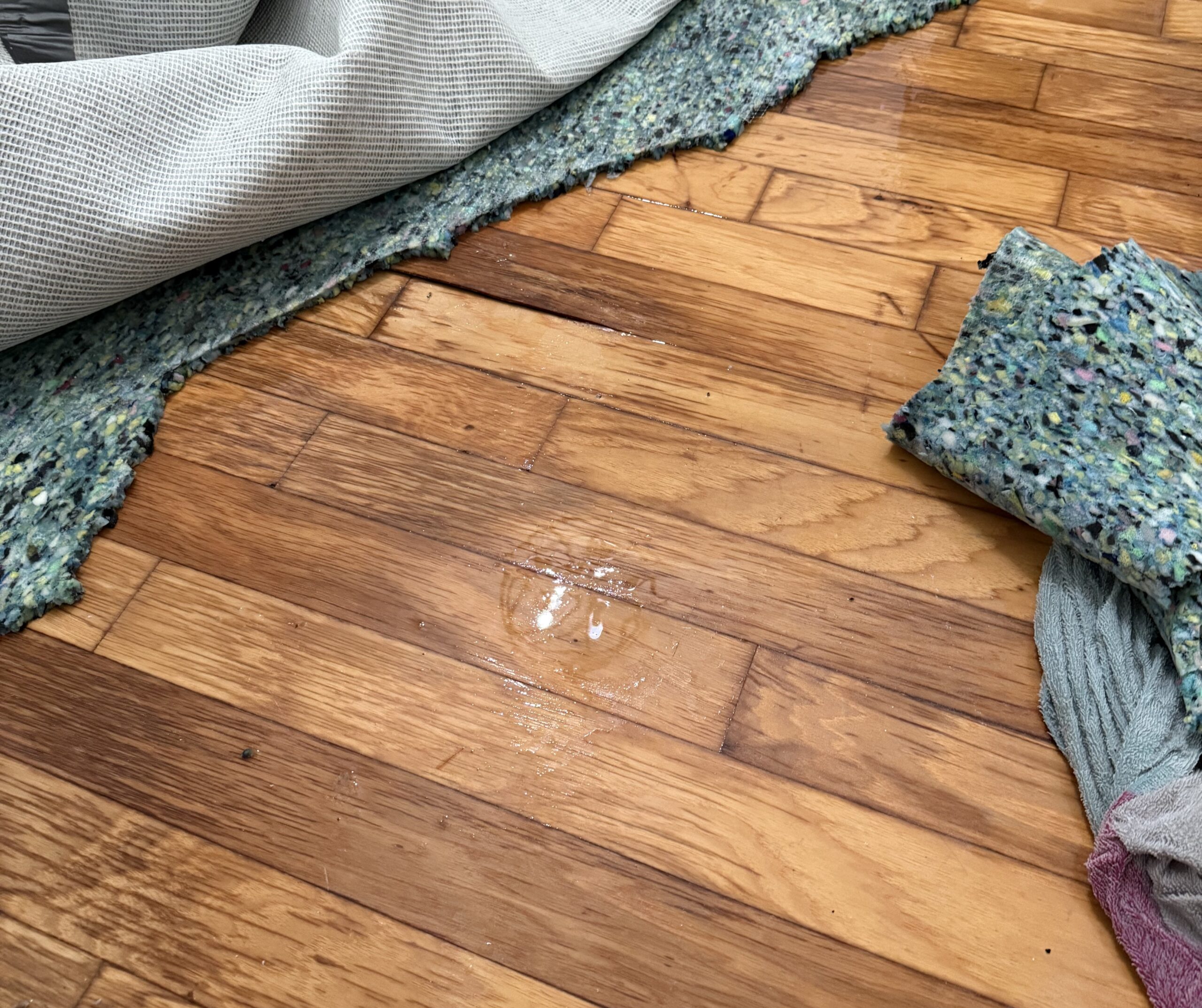
- Cupping Hardwood Floors: If moisture is trapped under wood planks, the edges of the boards will rise higher than the center, creating a wavy appearance across the floor.
- Discolored Grout: In bathrooms, water seeping behind shower tiles will cause the grout to darken or crumble.
Olfactory Warnings
You will often smell a hidden leak before you see it. Mold and mildew begin growing within 24 to 48 hours of water exposure. As these fungi digest organic materials like wood and drywall paper, they release microbial volatile organic compounds (MVOCs). These compounds produce a distinct, damp, earthy, or musty odor. If a specific room always smells like an old basement, even after cleaning, moisture is likely trapped inside the walls.
Financial Indicators
Sometimes, the only sign of a broken pipe is your monthly utility statement. If your water usage habits have not changed, but your bill suddenly spikes, you likely have a continuous leak. You can test this by turning off all water sources in the house and checking your water meter. If the dial is still spinning, water is escaping somewhere in the system.
How Does Water Travel Inside Your Walls?
To understand why hidden leaks are so destructive, you must understand how building materials interact with water. Water rarely stays in one place. It moves through a process called capillary action, or wicking.
Porous materials pull moisture upward and outward, against gravity. If a small amount of water pools at the base of a wall, the drywall and the wooden studs will absorb it, pulling the moisture several feet up into the wall cavity.
| Material Type | Absorption Speed | Hidden Damage Risk |
| Drywall / Sheetrock | Very High | Sags, loses structural integrity, rapidly grows mold. |
| Insulation (Fiberglass) | High | Traps moisture against wood framing, loses insulating value. |
| Hardwood Flooring | Medium | Warps, cups, and buckles over time. |
| Concrete / Brick | Low to Medium | Absorbs slowly, but transfers moisture to adjoining wood. |
This wicking effect is why a leak under a kitchen sink can end up rotting the subfloor in the adjacent dining room. The water travels along the path of least resistance, following the grain of the wood and the paper backing of the drywall.
Why Do Professionals Use Advanced Diagnostic Tools?
A common mistake homeowners make is assuming the area is dry just because it feels dry to the touch. Surface-level evaluations are entirely ineffective for hidden leaks. Professional water damage restoration in Hurst, TX, requires specialized equipment to see through solid surfaces and measure the exact moisture content of the building materials.
Thermal Imaging Cameras
Infrared technology is a necessary tool for any serious restoration expert. A thermal camera does not “see” water or look through walls like an X-ray. Instead, it measures surface temperatures. When moisture evaporates, it cools the surface of the material. Water trapped behind drywall will show up on the camera screen as a distinct dark blue or purple cold spot compared to the surrounding dry, warmer wall. This allows technicians to map the exact perimeter of the water migration without tearing down the entire room.
Moisture Meters
Once a cold spot is identified, professionals use moisture meters to confirm the presence of water and determine the severity.
Non-penetrating meters: These use radio frequencies to scan just below the surface of tiles or hardwood without causing damage. They provide a quick assessment of whether the material is wet or dry.
Penetrating meters: These feature sharp metal pins that are pushed directly into the wood, drywall, or carpet padding. They measure the electrical resistance between the pins to provide a precise moisture percentage.
Thermo-Hygrometers
To properly dry a home, technicians must understand the air quality. Thermo-hygrometers measure the temperature and the relative humidity of the room. By calculating the dew point, professionals can determine exactly how many dehumidifiers and air movers are needed to pull the trapped moisture out of the walls and into the air for safe extraction.
What Happens If You Only Dry the Surface?
Attempting to handle a hidden leak yourself usually leads to severe secondary damage. Pointing a box fan at a wet baseboard will only dry the outer layer of paint. The wooden studs and insulation inside the wall cavity remain saturated.
When moisture is locked in a dark, warm space with zero airflow, structural rot accelerates. The wooden frame of your house begins to soften and decay, compromising the safety of the building. More urgently, black mold and other harmful fungi will colonize the damp materials. Once a mold colony establishes itself inside the wall cavity, it releases spores into your HVAC system, spreading the contamination throughout the entire house. True flood damage cleanup in Dallas-Fort Worth means extracting the moisture from the deepest layers of the structure before this secondary damage occurs.
Why Choose Restore Aid Recovery for Your Mid-Cities Home?
When dealing with invisible moisture, you need a team that understands the science of drying and has the equipment to execute it flawlessly. Restore Aid Recovery provides expert residential water mitigation in Hurst and the surrounding Mid-Cities. Our process starts with advanced thermal imaging to map the hidden water, ensuring we never miss trapped moisture.
Because water emergencies do not wait for business hours, we guarantee a 15-minute emergency response time, available 24/7. Waiting even a few hours can turn a minor leak into a major structural issue. Beyond the initial emergency water removal in the Mid-Cities, we are fully licensed and insured general contractors. This means we manage the entire process, from the first moisture reading to the final home reconstruction services after water damage, returning your property to its original condition without the need to hire multiple companies.
Frequently Asked Questions
How much does water damage restoration cost in Hurst, TX?
The cost depends entirely on the extent of the hidden damage and the materials affected. A small, clean water leak might cost a few hundred dollars to dry out, while extensive structural rot requiring full reconstruction will run into the thousands. We provide transparent assessments after our initial diagnostic scan.
Will my homeowner’s insurance cover a hidden slab leak?
Most standard insurance policies cover sudden and accidental water damage, such as a burst pipe. They usually cover the resulting damage to the drywall and flooring from a slab leak, but they rarely cover the cost of repairing the plumbing pipe itself.
How long does the professional drying process take?
Standard structural drying typically takes between three and five days. The timeline depends on the severity of the leak, the types of materials involved, and the specific humidity levels inside the home.
Can I sleep in my house during the water mitigation process?
In most cases involving clean water, you can remain in the home. If the leak involves contaminated water (like a sewage backup) or if significant mold remediation is required, you may need to relocate temporarily for your safety.
Finding a hidden leak early saves you from massive repair bills and severe health risks down the road. If you notice a musty smell, warping floors, or a sudden spike in your water bill, do not wait for a puddle to appear. Contact us immediately. We bring the advanced tools and the proven expertise needed to track down unseen moisture and secure your property.