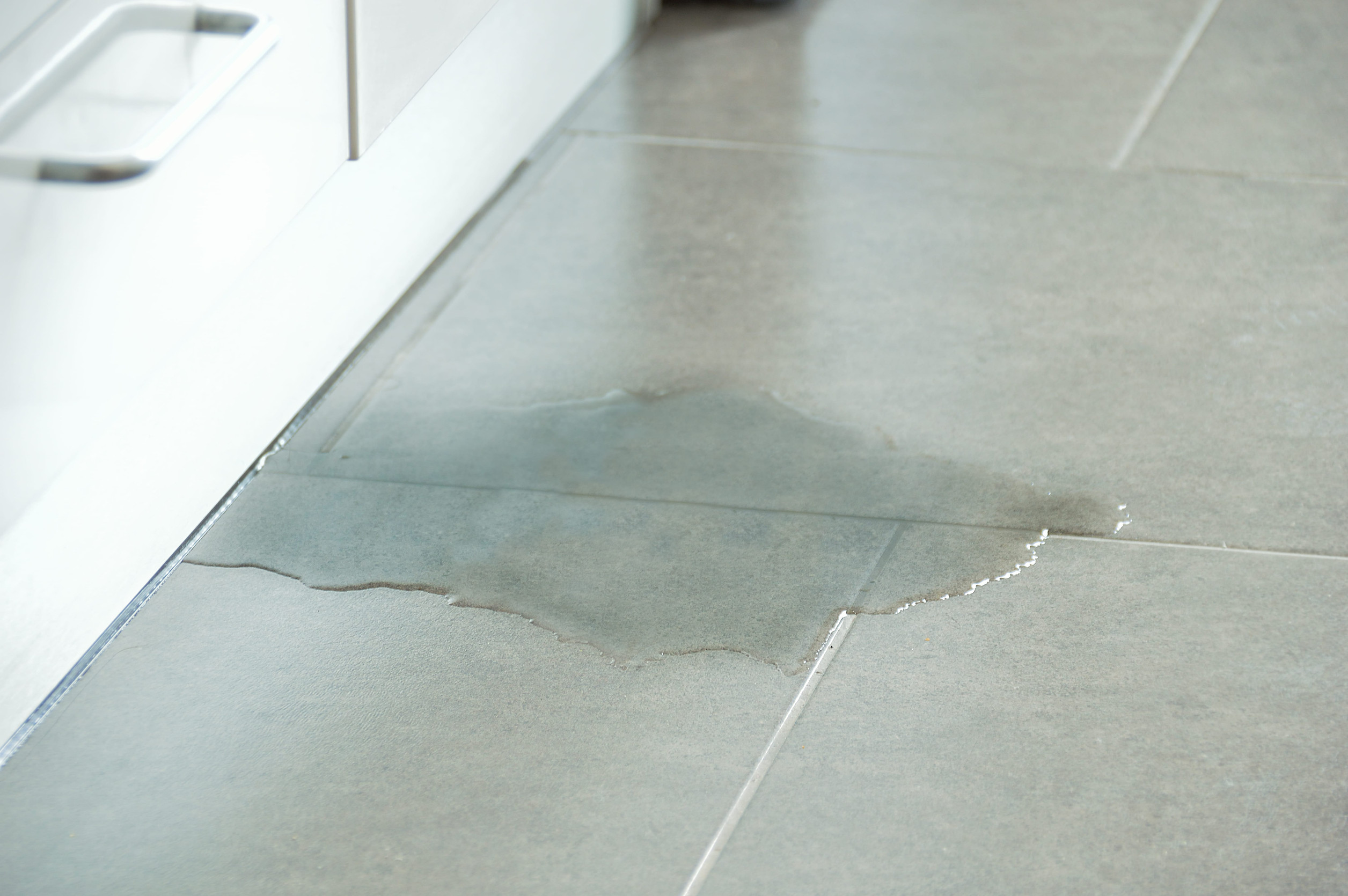
A slab leak happens when the water pipes running underneath your concrete foundation break or crack. In Hurst, Mid-Cities, Dallas–Fort Worth, and surrounding areas, this is a common issue. The reason is simple—our clay-rich soil constantly shifts with changing weather. Detecting these leaks early is the best way to avoid major structural damage and costly repairs.
Why Are Homes in Hurst, Mid-Cities, and Dallas–Fort Worth So Prone to Foundation Pipe Failures?
The ground across Hurst, Mid-Cities, Dallas–Fort Worth, and surrounding areas contains expansive clay soil. This soil acts like a sponge. It swells when it rains and shrinks during hot, dry periods. This constant movement puts pressure on the copper or PVC pipes beneath your slab.
Most homeowners do not realize their foundation is moving until they see cracks in the drywall or feel soft spots on the floor. Because the pipes are encased in concrete or buried in the dirt below, you cannot see the water escaping. Over time, this pressurized water washes away the soil supporting your home, which leads to a sinking foundation.
How Can You Tell if Your Home Has an Underground Leak?
Since you cannot physically see the pipes under your house, you must watch for secondary clues. One of the most common signs is a sudden, unexplained jump in your monthly water bill. If your habits have not changed but your costs have doubled, water is likely flowing somewhere out of sight.
- Warm Spots: If you feel a specific area of your floor that is warmer than the rest, a hot water line may be leaking.
- Sounds of Running Water: Listen closely when the house is quiet; if you hear hissing or rushing water while all faucets are off, you have a problem.
- Foundation Cracks: New cracks in your floor tiles or baseboards often mean the water is pushing the slab upward or causing it to settle unevenly.
The Role of Professional Leak Detection Technology
Finding a leak under several inches of concrete requires more than just a good guess. Experts use specialized acoustic equipment to listen for the specific frequency of pressurized water escaping a pipe. They also use thermal imaging cameras to find temperature changes in the floor that point to the exact break location.
Using these tools saves you money by preventing “exploratory” digging. In the past, plumbers might have jackhammered large sections of a living room just to find a single pinhole leak. Modern technology allows a team to pinpoint the spot within a few inches, which limits the mess and the cost of repairing your flooring afterward.
Understanding the Dangers of Soil Erosion and Subsidence
When a pipe breaks under your home, the water does not just sit there; it creates underground caverns. This process, known as erosion, removes the very dirt that your house relies on for stability. As the soil disappears, the heavy concrete slab loses its support and begins to sag into the empty space.
This movement, called subsidence, causes the most expensive type of property damage. You might notice that doors no longer latch or that windows are stuck in their frames. In extreme cases, the structural beams of the home can twist, leading to roof leaks and collapsed masonry. Fixing a pipe is simple, but leveling a house is a massive undertaking.
Is a Slab Leak Covered by Standard Homeowners Insurance?
Insurance coverage for foundation leaks is often a confusing topic for many residents in the Humble area. Most standard policies will pay for the “access” to the leak, meaning they cover the cost of tearing up the concrete and replacing it. However, they frequently do not cover the actual repair of the plumbing pipe itself, which is considered a maintenance issue.
It is vital to review your policy for “Seepage and Leakage” endorsements. Without specific coverage, you might be stuck paying for the entire plumbing bill out of pocket. Documentation is the most important part of a successful claim. You need a professional report that proves the damage was sudden and accidental rather than a slow problem you ignored for years.
Common Repair Methods for Foundation Pipe Breaks
Once a technician finds the leak, there are a few ways to fix it, depending on the age of your home. The most traditional way is “spot repair,” where the team digs a hole directly through the floor to reach the pipe. This is often the fastest way to stop a single leak in a newer plumbing system.
For older homes with multiple leaks, “re-piping” or “tunneling” might be better options. Tunneling involves digging a path under the house from the outside so the floors inside remain untouched. Re-piping involves abandoning the old underground lines entirely and running new water lines through the attic or walls. This permanent fix ensures you never have to deal with a slab leak in that home again.
The Connection Between Slab Leaks and Mold Growth
Water from an underground leak eventually finds its way up through the porous concrete and into your home. This moisture gets trapped under wood floors, laminate, or carpets, where it cannot evaporate. In the humid climate of Hurst, Mid-Cities, Dallas–Fort Worth, and surrounding areas, mold can begin to grow in less than 48 hours.
If you smell a musty or earthy odor in a room but see no visible leaks, the moisture is likely coming from below. Mold spores can travel through your HVAC system and impact the air quality of the entire house. Professional drying is necessary because simply mopping the floor does not remove the water trapped inside the concrete pores.
Preventing Future Foundation Issues in Southeast Texas
While you cannot stop the soil from moving, you can manage how it affects your foundation. Many experts suggest using “soaker hoses” around the perimeter of your home during the dry summer months. By keeping the moisture levels consistent, you prevent the clay from shrinking and pulling away from your pipes.
You should also ensure that your gutters and downspouts carry rainwater at least five feet away from the base of the house. Excessive water pooling near the edge of the slab can over-saturate the ground and cause “heaving,” where the slab is pushed upward. Simple drainage improvements are the best defense against plumbing stress.
Why Immediate Action Saves Your Property Value
Ignoring a suspected leak is the most expensive mistake a homeowner can make. A small drip can turn into a massive break overnight, leading to thousands of gallons of wasted water. Beyond the water bill, the structural damage happens slowly and silently until the house is no longer safe to live in.
Acting quickly keeps your repair options open. If you catch a leak early, a simple spot repair might be all you need. If you wait, you might face a full foundation leveling project and a total home re-pipe. Keeping a close eye on your water meter and your floors is the best way to protect your biggest investment.
Frequently Asked Questions
How Long Does It Take to Fix a Slab Leak?
Most spot repairs take one to two days to complete, including the time to find the leak and patch the concrete. If the team needs to tunnel under the house or re-pipe the entire building, the process can take a week or more.
Can I Live in My House During the Repair?
Yes, in most cases, you can stay at home while the work is being done. The water will be turned off for several hours during the actual pipe repair, but the technicians usually restore service before they leave for the day.
Will a Slab Leak Cause My House to Collapse?
A house will rarely collapse instantly, but the long-term structural damage can make it uninhabitable. Significant sinking can cause walls to pull apart and roof lines to shift, which creates a dangerous environment over time.
Are Copper Pipes or PVC Pipes Better for Slabs?
Modern homes use PEX or PVC because they are flexible and resist corrosion. Copper pipes are more prone to damage.
Does a Slab Leak Affect My Neighbors?
In high-density neighborhoods or townhomes, a major leak under your slab can actually saturate the ground under a neighbor’s property. This can lead to shared foundation issues or legal disputes if the water causes damage to their unit.
Restore Your Home Today
Restore Aid Recovery provides the expert detection and water damage restoration you need to save your foundation. Our team uses the latest tools to find hidden leaks and dry out your property before mold takes over. We understand the specific challenges of Hurst, Mid-Cities, Dallas–Fort Worth, and the surrounding areas. We work fast to protect your investment. Reach out to us right now to schedule a professional inspection and get the help your property deserves. Contact us to start your recovery.